


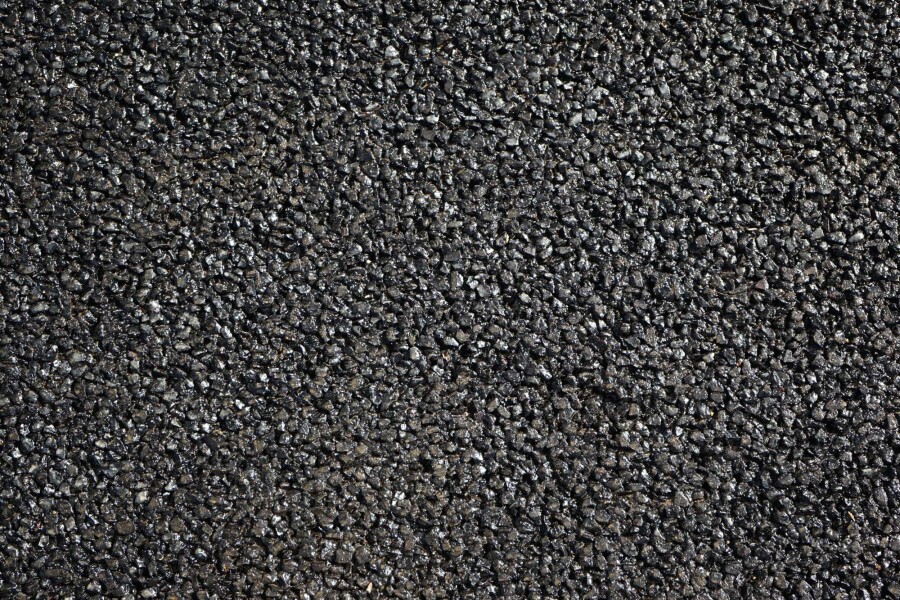
A team from the Department of Materials and Environmental Engineering at "Dunărea de Jos" University in Galați has developed a technology for incorporating plastic into asphalt mixtures with better performance than traditional "recipes," increasing the elasticity and resistance of asphalt to temperature fluctuations between winter and summer. The invention has already been patented and recognized internationally by the European Patent Office.
 Developed after five years of research, the Asphalt Mixtures Improvement with Waste Grit and Microplastics technology is an asphalt mixture enhanced with grit, waste from the ship hull sandblasting process, and polypropylene microplastics. When added in a specific granulation to asphalt, together with other additives, they increase the asphalt's resistance and elasticity by up to 30%. This results in improved mechanical resistance to wear, water, and other external agents, compared to classic asphalt mixtures.
This technology also contributes to environmental protection by incorporating microplastics, which enhance the properties of asphalt mixtures and reduce the risk of cracking under various weather conditions, replacing natural quartz sand with residual sand.
The advantages of the new technology developed at Galați University include:
- Reducing the cost of asphalt mixtures by using smaller quantities of bitumen;
- Reducing the risk of micro-cracks in asphalt mixtures caused by temperature variations;
- Lowering the viscosity of the asphalt binder (bitumen), saving energy and reducing carbon dioxide (CO2) emissions;
- Increasing physical properties;
- Improving the wear resistance of asphalt mixtures (mix of gravel waste and microplastics);
- Partially replacing natural quartz sand with sand waste from ship hull sandblasting operations;
- Significantly improving the characteristics of asphalt mixtures; using sand waste as an environmentally harmful industrial by-product;
- Recovering microplastics to reduce their negative impact on the environment and public health.
You can find the article here.