


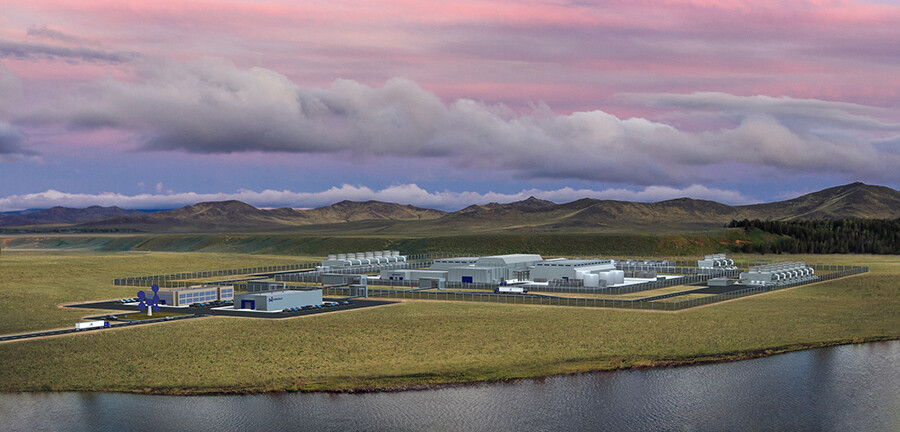
A revolutionary technology represented by small modular reactors (SMRs) is making its way into the energy market, providing clean and sustainable energy for a green future.
These small modular reactors are advanced nuclear reactors with zero carbon emissions. Built on innovative technology and featuring a much simpler design compared to traditional nuclear reactors, SMRs offer enhanced safety, simplified operability, resilience, and flexibility.
Based on pressurized light water reactor technology, SMRs benefit from over 50 years of research and operation, incorporating the latest technological advancements that aim to prevent nuclear accidents like Fukushima or Chernobyl.
Small modular reactors can replace coal-fired power plants and will also address challenges related to water quality, as the hydrogen produced is clean. This energy transition will also contribute to combating climate issues caused by pollution, significantly improving the quality of life for future generations.
SMRs provide benefits for both the environment and the socio-economic landscape. As a new and innovative branch of nuclear energy, they will generate new generations of engineers and create job opportunities that contribute to the local economy.
Furthermore, production and construction costs are expected to decrease because small modular reactors can be manufactured in factories and then transported to the final site, unlike large reactors that require on-site manufacturing, necessitating significant scale for traditional nuclear power plants.
Sources: