


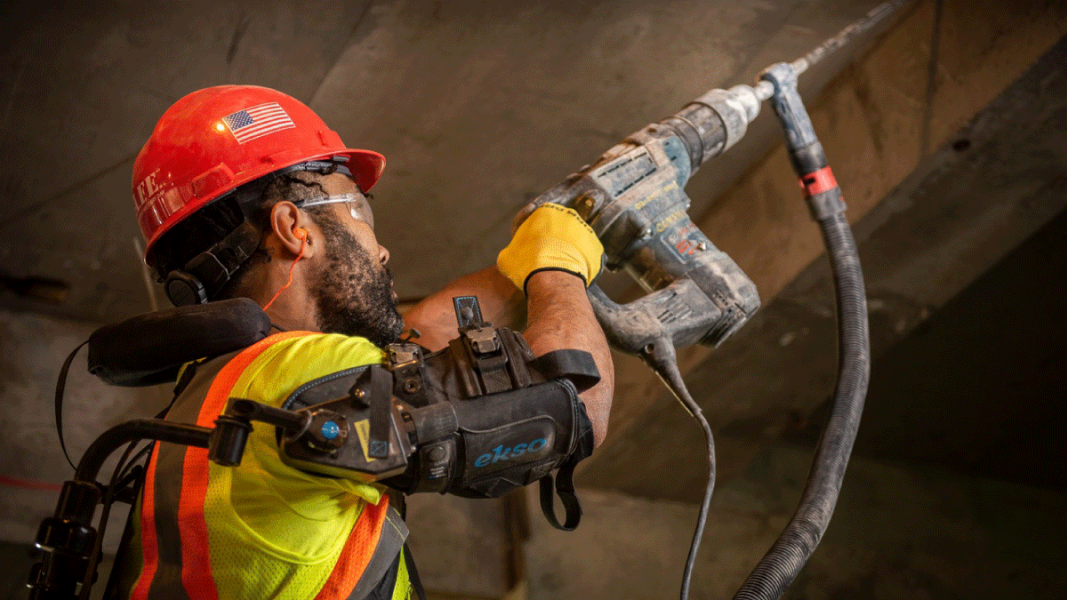
A new trend is rapidly making its way into the construction industry: exoskeleton suits. These are designed to reduce workplace accidents and improve compliance.
Exoskeletons are metal frames equipped with motorized muscles to amplify the wearer's strength. Also known as exoskeletons, the metal frame of these robotic suits somewhat mirrors the internal skeletal structure of the wearer.
Originally developed for the military, exoskeletons have transitioned from medical assistance to the manufacturing and agricultural sectors, where workers lift and transfer heavy loads and perform repetitive movements. In healthcare, these suits help stroke victims regain limb strength or even assist paralyzed individuals in walking or using their arms.
Exoskeletons can be either passive—meaning they do not use actuators, motors, or batteries to assist with lifting or transporting—or active, which utilize actuators to aid in these activities.
Typically, in the construction and manufacturing industries, passive systems are popular because they are less expensive and do not require actuators to relieve the user of the load or body weight.
Exoskeletons can be full-body, upper-body, or lower-body suits, depending on the task being performed by the user. They also provide support for users who need to remain in the same position for extended periods, allowing the suit to lock in a specific position, enabling the worker to relax their supporting muscles while maintaining their working stance.
Sources: