


In contemporary society, architecture has become an important component of public space, where the contribution of technology transforms the world we live in in various ways. By turning physical objects into smart objects that define the Internet of Things (IoT), sensor-based objects are connected to a shared infrastructure. This infrastructure can be an Extranet, the Internet, or a network that eliminates the need for human-computer interaction to exchange data.
The Internet of Things is rapidly expanding, and its new features open the door to a class of smart automated buildings, smart cars, data-assisted design, construction, and more.
|
According to Global Data, the global IoT market is expected to reach revenues of $1.1 trillion by 2024. The purpose of architecture is to serve people and make daily life easier to manage. IoT in architecture is at the center of various systems that connect, monitor, and regulate our data. These systems can provide solutions in many areas, both in design and practice. |
 |
The top applicability of IoT in architecture and design can be found in:
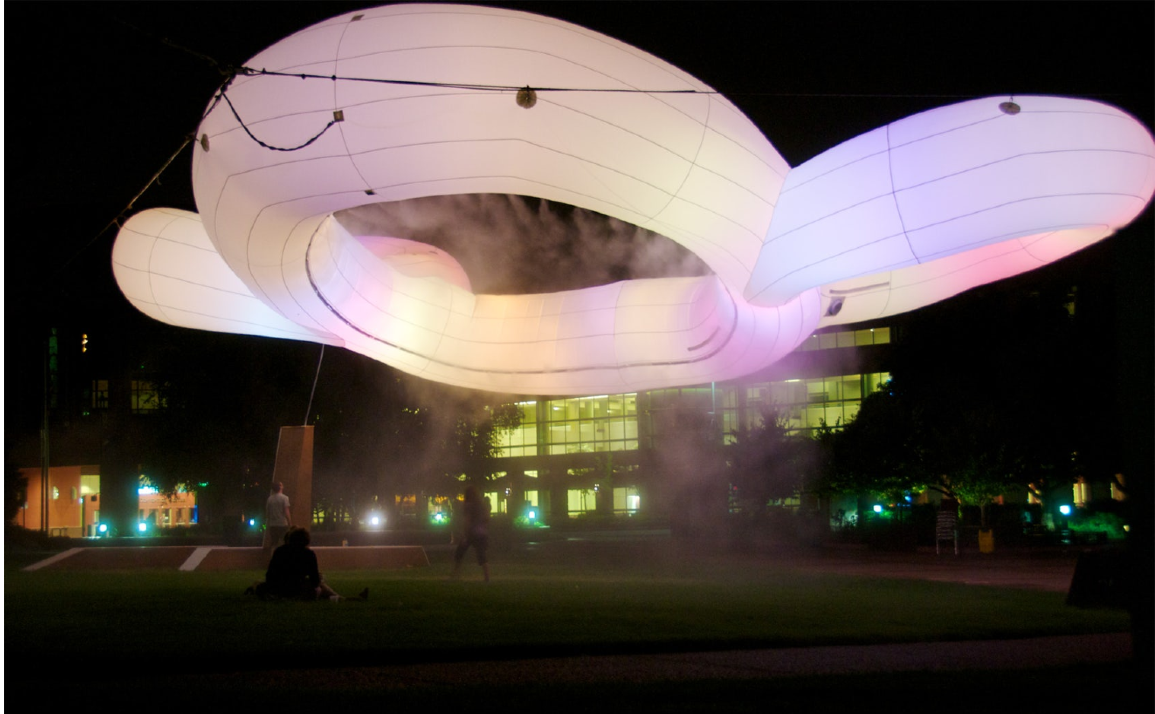
- Data-Assisted Design: This involves systems that receive data to generate a response. This capability allows for real-time interaction between users and the environment, incorporating public installations that provide virtual models to interpret the environment.
 |
Several data-assisted structures have emerged that enable public interventions to analyze emotional language from Twitter in real-time and project it back to the installation through colored displays, while others connected via the Internet respond to visitor presence and environmental factors using a wave of fiber optics. |
- Big Data: This refers to the enormous amount of data that traditional data management solutions cannot handle.
|
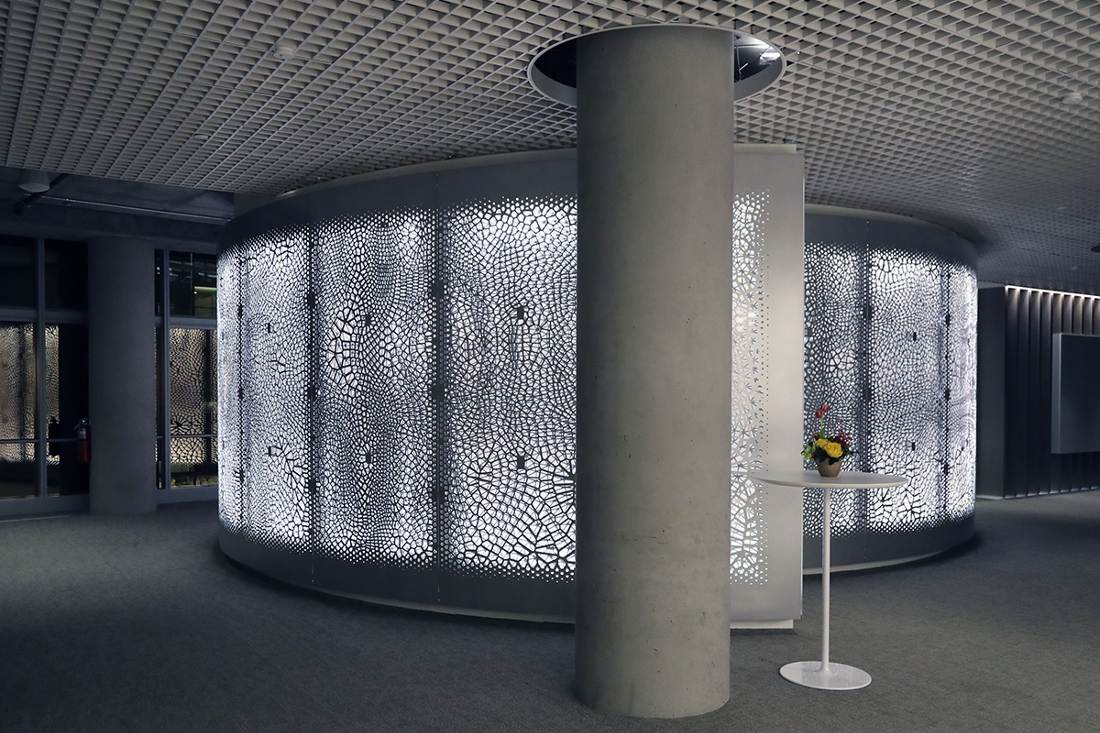
There is a need for real-time access to massive databases created by IoT to optimally exploit this technology, applicable in both process and final product design. An example of this model is information on how mobile phones influence consumers' monthly spending, used to create an interior wall and its rotation patterns. |
 |
- Smart Buildings: These buildings can interact, learn, and adapt by connecting people with technology and the environment, providing additional visibility and actionable data beyond just equipment inside their exterior walls. They create highly efficient, high-capacity collaborative workspaces where a smart system centralizes data from separate devices into one. An example is the Salesforce Tower in San Francisco, which integrates a convergent approach to building management and monitoring systems, enhancing performance, functionality, and sustainability.
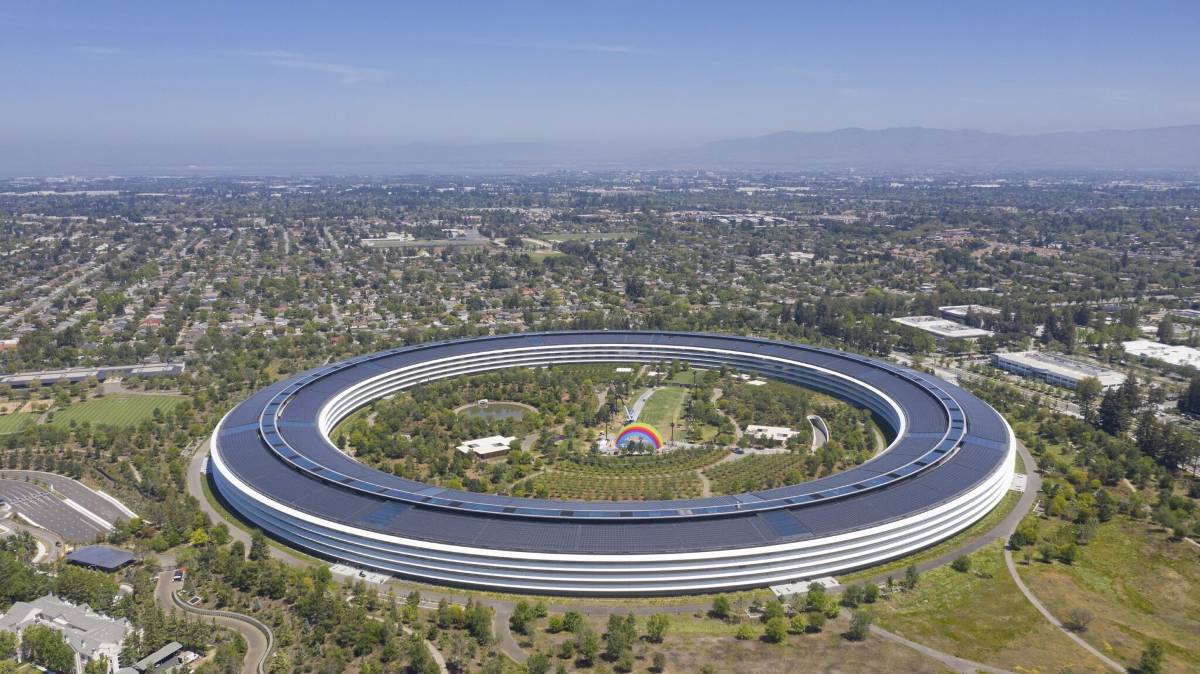 |
Another significant project with a smart design is Apple Park, located in Cupertino, California. It is one of the most energy-efficient structures in the world, drawing energy from the sun and bringing the stimulating views of the park and clean air through its glass facade. The temperature inside the building is controlled by high-tech ventilation and tubes installed in the ceilings and floors to maintain a cool atmosphere. |
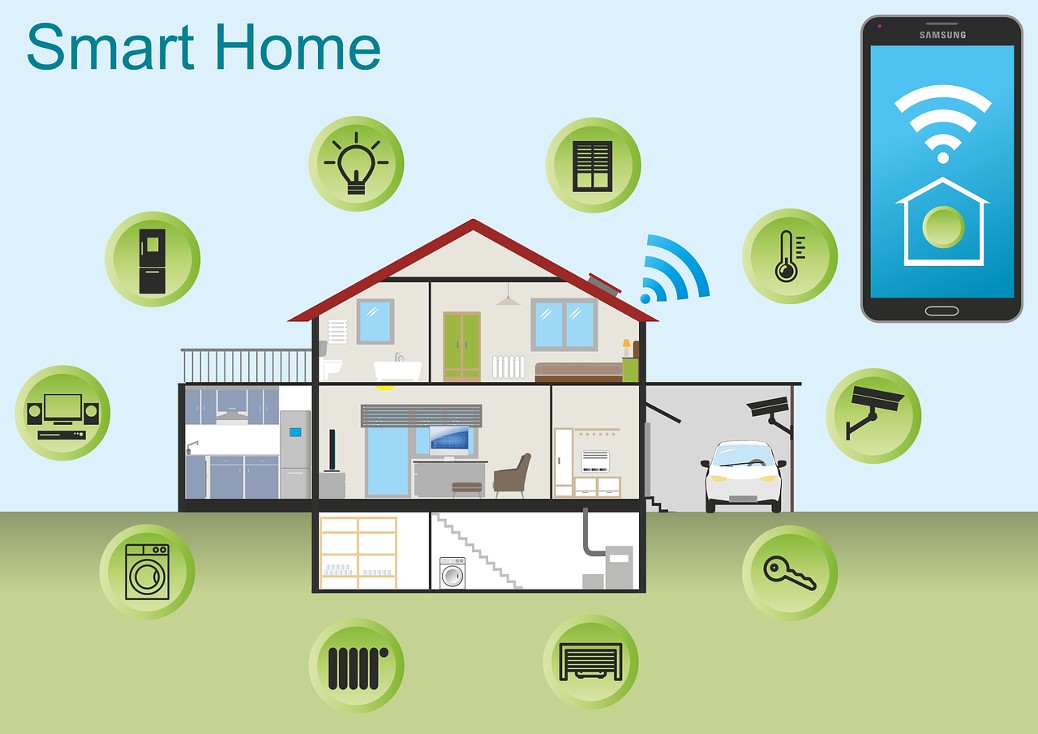
- Smart Homes: This concept simplifies the management and use of all technical equipment integrated into a unified smart system to create comfort, safety, and enjoyment in one's home.
|
These homes feature a single automated system that connects all devices, such as smartphones, tablets, laptops, and door locks, as part of IoT technology. They can facilitate living for elderly individuals living alone by reminding them of medication times, monitoring habits, contacting hospitals in case of emergencies, maximizing home security, and providing remote control over home functions. |
 |
- Smart Cars: These vehicles can programmatically adjust speed and direction based on human drivers to take control in abnormal situations, such as bad weather interfering with the car's sensors.
 |
The influence of IoT on car manufacturers will reflect a transition from traditional manufacturing to a more service-oriented model. |
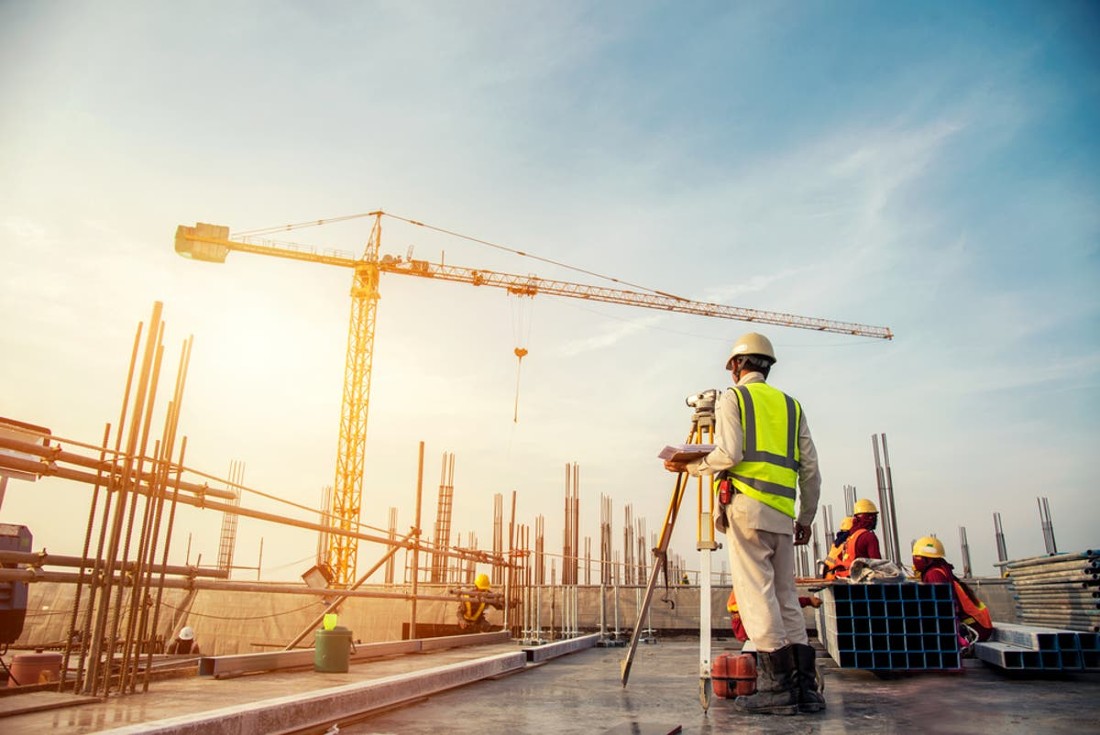
- Construction: IoT contributes to the efficient completion of projects by saving time and reducing costs through automating tasks that consume human labor hours.
|
Its utility lies in monitoring project progress, such as tracking material deliveries to the site or using wearable technologies to monitor employee movements to ensure they are working efficiently. Another approach involves using digital twins (a digital version of a process or physical object) to test design efficiency before physical construction begins, collecting data to predict how real systems will function, whether replicating a machine, building, or even a city. |
 |
- Disaster Detection: This involves measuring abnormal situations by evaluating data from sensors that establish the initial "normal" functioning and identify data points signaling deviations from the average through detection and early warning systems in buildings. For instance, early detection of building collisions could alert residents with emergency signals sent by sensors detecting any voids or distortions within the building.
IoT can assist with a wide range of design and practical issues through its role in connecting, monitoring, and controlling data, amplified by the increasing number of businesses adopting digitalization and collecting, exchanging, and analyzing large volumes of data with beneficial effects on the progress of our daily lives.
You can find the full article here.