


Article provided by CADWARE Engineering
BIM Working Method
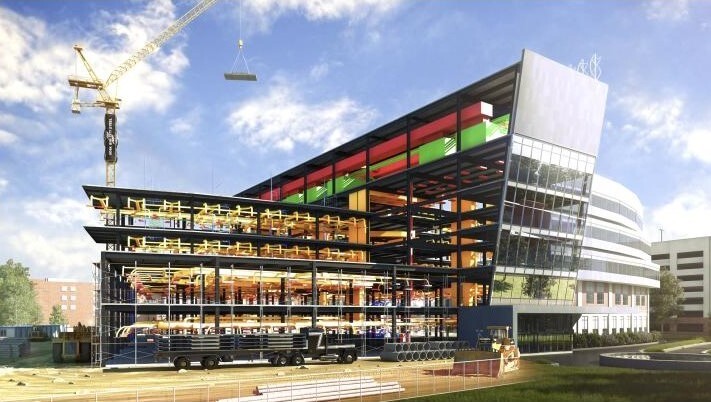
Building Information Modeling (BIM) is a process, a new collaborative working method that requires various software tools and a combination of programs that make information about buildings accessible and analyzable. BIM allows for quick access to various project-related information. This information is of high quality, secure, integrated, and fully coordinated. BIM addresses each phase of the three life cycle stages of a construction project: design, construction, and management.
Various programs used in design, architecture, and construction for BIM enable a new collaborative working method using a model created based on consistent and secure design information, making faster decision-making possible, improving documentation, and allowing for the evaluation of different options for sustainable building construction by analyzing performance from the design phase.
The BIM concept has changed how professionals worldwide view the application of technology in design, construction, and construction management. With BIM, builders can plan the necessary resources and construction activities over time. Another phase of a project relates to costs. BIM enables the extraction of complete and accurate cost estimates from the 3D model. BIM allows for the coordination of work between architects, structural engineers, and installation engineers to avoid errors. With BIM, an integrated project can be achieved with the early involvement of all stakeholders: architects, engineers, builders, manufacturers, and even clients.
The adoption of BIM in construction and design offers a range of advantages, including: bringing the entire project within reach of the team, better coordination of the project in the office and on-site, using either a computer, tablet, or smartphone, significantly reducing errors, increasing productivity of the teams involved in the project, speeding up project completion, lowering costs, enhancing project quality, and increasing revenue and new opportunities.
BIM is a process of design, collaboration, simulation, verification, and control of design and construction processes in a virtual environment that has developed globally but also has some local factors specific to certain countries.